What Off Plan Property Georgia Really Means
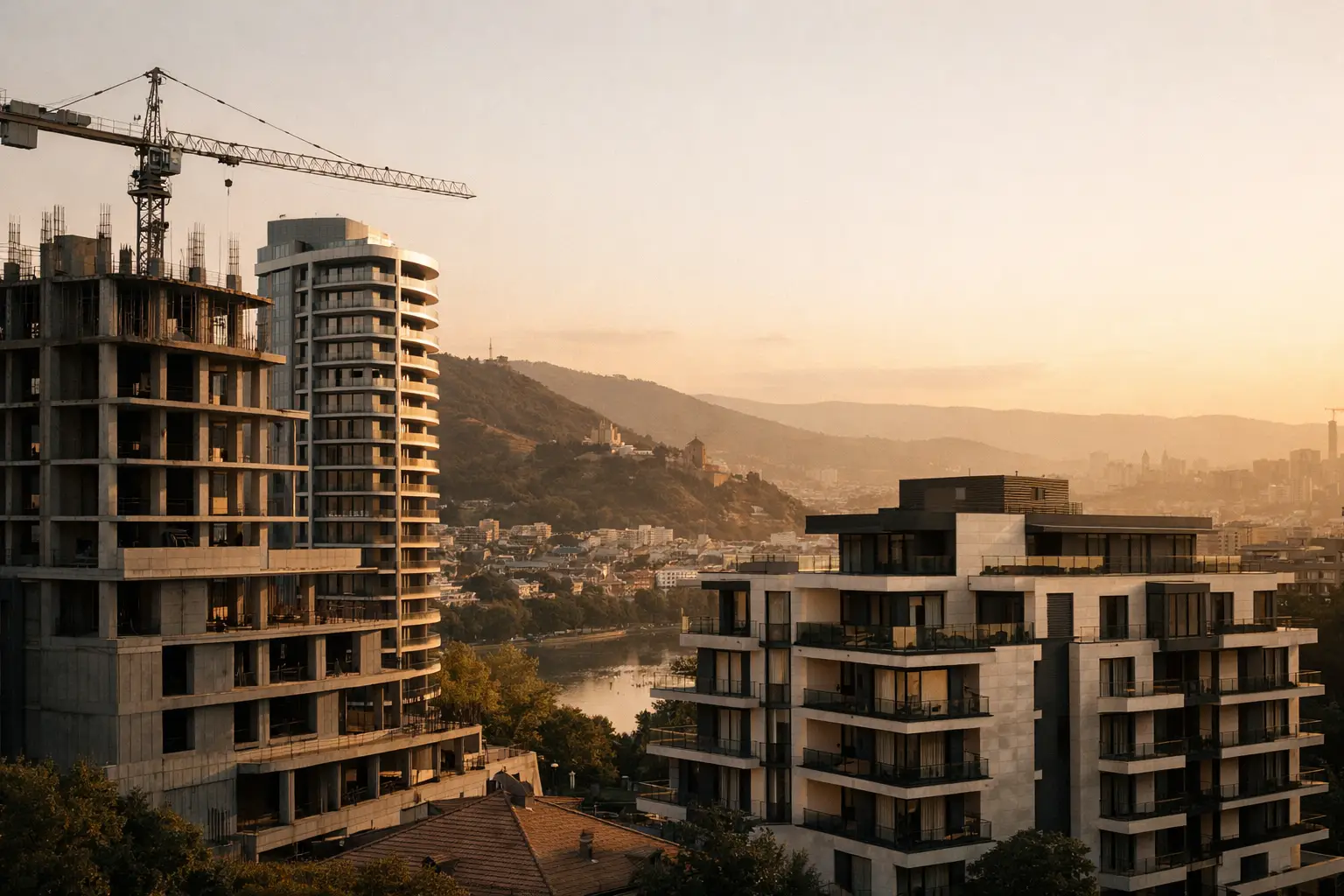
A glossy rendering can make a future apartment look simple: a sea view, a lobby, a pool, a price below nearby asking prices. But off plan property Georgia is not a picture purchase. You are buying a defined unit within a construction timetable, a future building standard, and a plan for what happens after handover.
For a remote buyer with $50,000 to $150,000, the first question should not be, "How much can this make?" It should be, "What exactly am I receiving for this price, and will it work for the person who eventually uses it?" That person may be you on holiday, a long-term tenant, or a short-stay guest. The answer changes the right floor, layout, finish level, and location.
Off Plan Property Georgia Starts With the Unit, Not the Render
Projects often publish a starting price per square meter. That is useful only as a first filter. Two units with the same area can perform very differently because of their floor, direction, view corridor, elevator access, noise exposure, and shape of the room.
A 35-square-meter studio on the 18th floor may look attractive on a plan. If the usable wall for a bed is interrupted by doors, a column, and a narrow balcony door, furnishing becomes awkward. If the balcony faces a future construction site, the open view in the sales image may not remain open. If the unit sits beside service elevators or a technical shaft, guests may notice noise that was not obvious in a brochure.
This is where a personal inspection matters, even before the building is finished. I look at the actual plot, the access road, neighboring sites, the direction of the sun, and the surrounding buildings. In Batumi, walking 600 meters can mean the difference between reaching the beach directly and crossing a wide road with heavy summer traffic. In Tbilisi, a building may be close to a metro station on a map but require a steep uphill walk that changes how tenants see it.
The plan itself needs a practical reading. Ask where the washing machine goes, whether the bathroom has enough space for storage, how wide the entrance is, and whether the kitchen wall can accommodate standard appliances. These are ordinary details. They decide whether a unit rents easily or needs expensive changes after handover.
The Price Is Usually Not the Final Budget
The advertised number is one line of the investment. A buyer also needs to understand what is included at handover and what remains to be paid for afterward. A white-frame apartment and a furnished rental apartment are not the same product, even when the building and view are identical.
Make a separate budget for interior work, furniture, appliances, curtains, lighting, internet setup, and management. In a small unit, those costs can materially change the total amount invested. A low entry price can stop looking low once the apartment must be made ready for guests or tenants.
Payment timing matters as much as the total price. A long installment schedule can preserve cash for furnishing later. It can also create pressure if your income is in another currency or a final payment falls before you planned to use the property. There is no universal best schedule. The right one depends on whether you are buying from savings, planning a holiday home, or building a small rental portfolio.
Do not treat projected income as a fixed monthly salary. A furnished apartment has periods without a tenant, utility bills, cleaning or management costs, repairs, and seasonal swings. Batumi can be busy in the warmer months and quieter outside them. A flat intended for personal use may still earn income, but only if you accept that your own dates remove some of the strongest booking periods.
A useful calculation is deliberately plain: expected rent minus vacancy, utilities paid by the owner, management, cleaning, repairs, and furnishing cost spread over time. If the result only works under the most optimistic nightly rate and full occupancy, it is not a strong decision.
Delivery Dates Need a Realistic Buffer
Construction schedules are estimates, not flight schedules. Weather, utility connections, site logistics, material supply, design adjustments, and finishing work can affect the date when a unit is actually ready to furnish and use.
The relevant date is not simply when the structure looks finished from the street. A building can have windows and facade panels while common areas, elevators, landscaping, parking, or utility connections are still incomplete. For a buyer who expects rental income by a particular summer season, this distinction is expensive.
Build a time buffer into your own plan. If you need the apartment ready for a family trip, do not schedule flights around the earliest stated completion month. If rental income is part of the numbers, model a later start and see whether the purchase still makes sense.
There is another practical issue: handover quality. Small defects are common in new construction. Uneven tile, poorly fitted doors, missing outlets, leaks under a sink, or a balcony drain that does not work properly can delay furnishing. None of these problems is dramatic by itself. Together, they can turn a quick setup into several weeks of calls, visits, and follow-up.
Choose the Use Case Before Choosing the View
For a holiday apartment, comfort during the weeks you use it may be more valuable than squeezing out a little extra rental income. You may want a separate bedroom, a quieter side of the building, reliable parking, or a balcony that remains usable in wind and rain.
For a rental unit, simplicity is often an advantage. A practical one-bedroom layout can appeal to a broader group than a large studio with an impressive facade but limited storage. In Tbilisi, tenants commonly ask about heating, sunlight, elevator reliability, building access, and everyday services nearby. The view matters, but it is not the only thing they live with.
For a future resale, unusual layouts deserve extra caution. A very narrow apartment, a low floor facing a wall, or a unit with a large terrace but little internal living space may have a smaller pool of buyers later. This does not mean such units are always wrong. It means the price should reflect the limitation from the start.
Kazbegi requires an even more specific approach. A mountain project can appeal to buyers who want a personal base and accept that demand is tied to seasons and weather. Road conditions, heating, insulation, access in winter, and the practical cost of managing a property at distance matter more than a dramatic view from the terrace. The drawback is straightforward: a beautiful location does not automatically create year-round occupancy.
What I Would Want to See Before Reserving a Unit
Before money is committed, the decision should be based on more than a sales presentation. I would want the exact unit plan and position, a clear specification of the handover condition, the payment calendar, a realistic furnishing estimate, and a view from the site rather than only computer images.
I would also want to understand the building as an operating place. How will residents enter? Where will deliveries stop? Is there enough elevator capacity for the number of apartments? What are the common areas likely to feel like during high season? If the project is designed around short stays, that may suit an investor and be less suitable for someone looking for a quiet second home.
The risk is not that every off-plan purchase goes wrong. The risk is paying for the best-case version of a unit while overlooking the ordinary constraints that determine its daily value. A careful buyer does not need perfection. They need a price and a plan that still make sense when the view is less open, the handover is later, or the first rental month is slower than expected.
Send your task on Telegram: budget, preferred city, intended use, target handover period, and whether you need personal inspection of specific units. I will tell you directly what to request, what to exclude, and what deserves a closer look.